
Sweepstakes Casino KYC Verification and Required Documents
 Available in US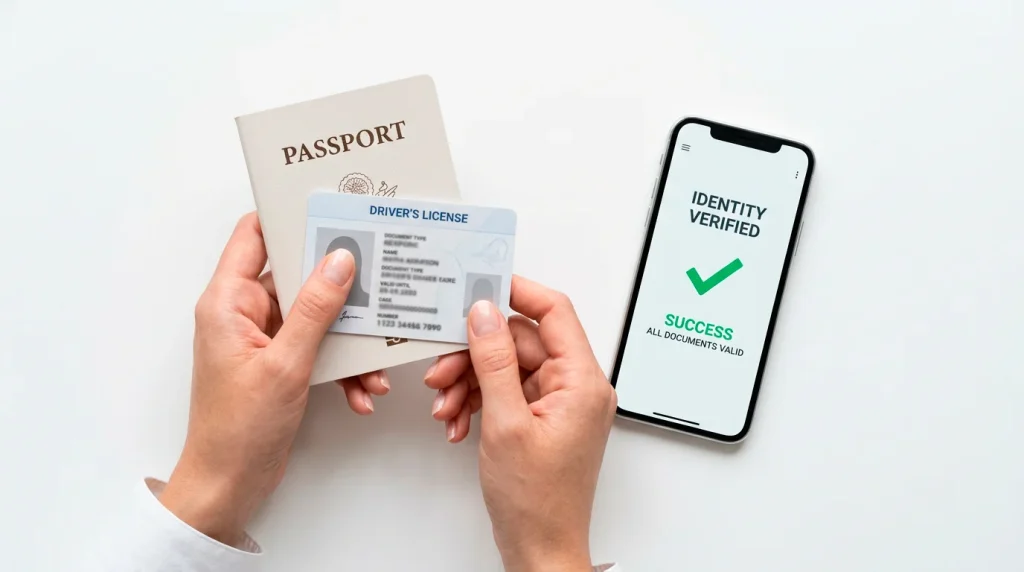
You’ve accumulated Sweeps Coins. You’ve cleared the playthrough requirements. Now you want to redeem them for cash. But first, the platform needs to confirm you’re actually who you claim to be. This is KYC—Know Your Customer—and it’s a mandatory step before any sweepstakes platform will release real money to your account.
The sweepstakes verification process can feel intrusive. Platforms ask for government-issued ID, proof of address, sometimes even selfies. For a model that markets itself as “not gambling,” the verification requirements look remarkably similar to what regulated casinos demand. There’s a reason for that tension.
This guide explains why platforms require verification, what documents you’ll need, how long the process takes, and how to handle rejections if your initial submission gets kicked back.
Regulatory Mandates for Sweepstakes Identity Verification
Sweepstakes platforms operate in a legal gray zone, but they’re not lawless. When real money changes hands—specifically when players redeem Sweeps Coins for cash—platforms become subject to financial regulations. Anti-money laundering laws apply. Tax reporting requirements kick in. Fraud prevention becomes legally mandated rather than optional.
KYC serves multiple purposes simultaneously. First, it confirms that you’re a real person over 18 (or 21, depending on the state) residing in a jurisdiction where the platform operates legally. Second, it creates a paper trail that platforms can present to regulators showing they’ve done due diligence. Third, it prevents the same person from running multiple accounts to exploit promotional bonuses.
The legal pressure driving KYC has intensified substantially. According to Snell & Wilmer legal analysis, approximately 50 active lawsuits against sweepstakes platforms were pending across the US as of late 2026. Platforms facing this level of legal scrutiny can’t afford sloppy verification processes. If they pay out to underage users, residents of prohibited states, or fraudulent accounts, they expose themselves to additional liability.
For players, KYC means any platform that lets you redeem without verification should raise immediate red flags. Legitimate operations verify because they must. Platforms that skip verification are either operating outside regulatory boundaries or running scams where they never intend to actually pay anyone.
The timing of KYC also matters. Some platforms verify at registration. Others wait until your first redemption request. The latter approach is more common because it reduces friction for casual players who never redeem. But it also means your first withdrawal attempt involves more steps and longer waits than subsequent ones.
Documents You Will Need
The standard KYC package includes identity verification and address verification. These are typically handled through separate document submissions, though some platforms combine them through services that verify both from a single government ID with an embedded address.
For identity verification, platforms accept government-issued photo IDs: driver’s license, state ID card, passport, or passport card. The document must be current and not expired. You’ll need to upload clear images of the front and, for driver’s licenses and state IDs, the back. Some platforms use automated document scanning that rejects blurry or partially obscured images immediately.
Address verification requires proof that you live where you claim. Acceptable documents typically include utility bills (electric, gas, water, internet), bank statements, credit card statements, or official government correspondence. The document must show your name and address, be dated within the last 90 days, and match the address on your account. Screenshots from online portals are usually rejected; platforms want PDF statements or photos of physical documents.
Some platforms add a selfie requirement, asking you to photograph yourself holding your ID or next to a written code they provide. This step combats identity theft by ensuring the person submitting the documents is the person depicted on them. The verification department compares your selfie to your ID photo, looking for a reasonable match.
Players using cryptocurrency for redemption face the same KYC requirements. The payment method doesn’t change the verification obligations; it just changes where the money goes after approval.
Prepare documents before requesting verification. Having everything ready in clear, properly formatted files speeds the process considerably. Platforms reject submissions that require back-and-forth, so getting it right the first time matters.
Verification Process and Timeline
The verification process typically begins when you submit a redemption request or click a “verify my account” option in settings. You’ll be prompted to upload required documents through the platform’s interface or a third-party verification service they’ve integrated.
Automated systems handle initial document review on larger platforms. These systems check image quality, read text from documents using OCR, and flag obvious issues like expired IDs or mismatched names. If everything passes automated checks, your submission goes to a human reviewer for final approval.
Turnaround times vary significantly. Well-staffed platforms with automated pre-screening complete verification within 24-72 hours. Smaller operations or those experiencing high redemption volumes may take 5-10 business days. Some platforms quote longer windows—up to 14 days—and process faster, building in buffer time to manage expectations.
The regulatory environment has made verification departments busier. More than 100 cease-and-desist letters were issued to sweepstakes operators in 2026 alone, according to iGamingBusiness tracking. Platforms responding to regulatory pressure have tightened their verification processes, sometimes adding steps or extending review times as they implement stricter protocols.
First-time verifications take longest. Once your account is verified, subsequent redemptions typically skip the document submission phase entirely. Your KYC status remains valid unless you change personal details—new address, legal name change—that require re-verification.
Communication during the process varies. Some platforms send confirmation emails at each stage: submission received, review in progress, approved or rejected. Others go silent until a final decision. Check your spam folder if you’re waiting longer than quoted timelines, since automated emails from gaming-related domains frequently get filtered.
Common Rejection Reasons and Solutions
Document quality causes the most rejections. Blurry images, glare from flash photography, cut-off corners, and poor lighting all trigger automatic failures. The solution is straightforward: photograph documents on a flat surface with even lighting, ensure all four corners are visible, and review images before uploading. If using a phone camera, clean the lens first.
Name mismatches create problems when your ID shows a different name than your account registration. This happens with nicknames, middle names, legal name changes, or typos during signup. Contact support to correct your account name or provide supplementary documentation showing the connection between names.
Address mismatches occur when your proof of address shows a different location than your account or ID. Common scenarios include recent moves, using a parent’s address for mailing while registered at your own, or PO boxes. Platforms need your current residential address, not mailing addresses or old locations.
Expired documents are rejected regardless of how recently they expired. If your ID expired last month, you need to renew it before verification will succeed. Similarly, address documents older than 90 days won’t be accepted even if they’re technically valid.
Residing in a prohibited state results in permanent rejection rather than a fixable issue. If verification reveals you’re located somewhere the platform doesn’t operate, your account will be restricted. Bill Miller, CEO of the American Gaming Association, has characterized sweepstakes operations in jurisdictions where they’re unwelcome as activities that “exploit consumer confusion and threaten to undermine the public trust.” Platforms take geographic restrictions seriously to avoid regulatory backlash.
When a submission is rejected, platforms typically specify the reason. Fix the identified issue and resubmit. If the rejection reason is unclear, contact customer support before uploading again—repeated failed submissions can flag your account for additional scrutiny.
Verification as the Price of Legitimacy
KYC verification distinguishes sweepstakes platforms from offshore gambling sites that operate without identity checks. The process exists because platforms need to prove they operate legitimately: verifying age, confirming geographic eligibility, and maintaining records that demonstrate compliance with sweepstakes laws. Players who find the documentation requirements burdensome should recognize what the alternative looks like—unregulated sites with no player protections and no legal recourse if something goes wrong.
Complete verification before you accumulate significant balances. Front-loading the paperwork means your first redemption request processes smoothly rather than triggering a document review while your funds sit inaccessible. A few minutes of preparation prevents days of waiting when you’re ready to cash out.