
Sweepstakes Casino Cease-and-Desist Orders
 Available in US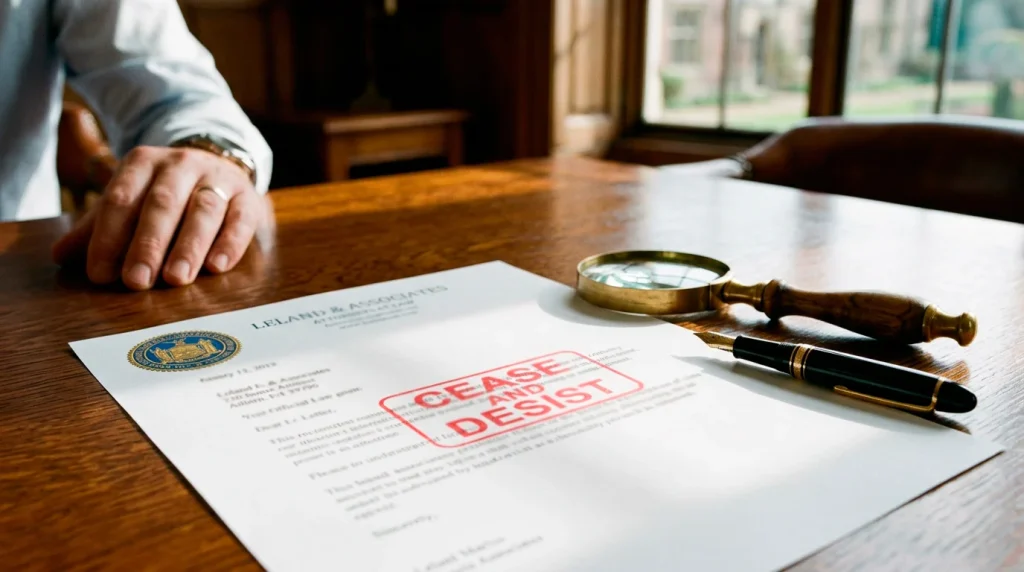
The letters started arriving in early 2026. State attorneys general, gaming commissions, and regulatory agencies across the country sent formal cease-and-desist orders to sweepstakes casino operators. The message was consistent: stop serving our residents or face legal consequences.
By year’s end, more than 100 sweepstakes cease and desist notices had been issued nationwide. Some platforms withdrew immediately. Others negotiated. A few ignored the warnings and faced escalating enforcement. For players, these regulatory actions translated into sudden account restrictions, geo-blocks, and diminishing options.
Understanding what cease-and-desist orders actually mean—legally, practically, and for your access to sweepstakes platforms—helps make sense of a rapidly changing landscape.
Legal Scope of State Cease-and-Desist Directives
A cease-and-desist order is a formal legal demand to stop specific activity. It is not a lawsuit, not a fine, and not a criminal charge. It is a warning shot—a statement from a regulatory authority that it believes the recipient is violating law and must stop immediately or face escalated enforcement.
In the sweepstakes context, these orders typically assert that the platform is operating illegal gambling in the issuing jurisdiction. The order demands that the operator stop accepting registrations, processing transactions, and providing services to residents of that state. Compliance is expected promptly, often within days or weeks.
The legal weight of a cease-and-desist depends on who issues it. An order from a state attorney general carries significant authority—ignoring it invites lawsuits, injunctions, and potential criminal referral. Orders from gaming commissions or regulatory boards carry similar weight within their jurisdictions. Letters from private parties or local officials may carry less immediate force but still signal potential legal action.
Cease-and-desist orders do not resolve underlying legal questions. They represent one party’s position on what the law requires. Platforms that believe they’re operating legally can challenge orders in court, though few choose this path given the costs and risks. Most treat receipt of an order as a trigger for compliance rather than litigation.
The order itself becomes part of the legal record. If a platform ignores a cease-and-desist and faces subsequent enforcement, the prior warning demonstrates that violations were knowing and willful. This can increase penalties, support injunctive relief, and strengthen the enforcement agency’s case.
The 2026 Enforcement Wave
The year 2026 marked a turning point for sweepstakes enforcement. According to iGamingBusiness reporting, more than 100 cease-and-desist letters were sent to sweepstakes operators across the United States. This represented a coordinated—though not formally organized—response from multiple state authorities simultaneously.
New York’s Attorney General issued 26 cease-and-desist orders, the single largest batch from any state. Louisiana’s Gaming Control Board sent approximately 40 letters. Other states including Massachusetts, Connecticut, and West Virginia joined the enforcement push with their own notices. The cumulative effect reshaped the market geography entirely.
The coordination was thematic rather than operational. State regulators were not meeting to plan joint actions, but they were watching each other. When one state moved successfully against sweepstakes operators, others followed with similar approaches. The model spread through imitation and shared legal reasoning.
Shawn Fluharty, a West Virginia delegate who serves as president of the National Council of Legislators from Gaming States, captured the bipartisan sentiment driving enforcement. According to iGamingBusiness reporting, Fluharty noted that lawmakers “rarely agree on anything, but on this issue there is consensus that this represents illegal gambling.” That unified view translated into consistent regulatory action across political lines.
The enforcement wave targeted platforms of all sizes. Major operators with legal teams and compliance departments received orders alongside smaller operations run from overseas. The breadth of enforcement made clear that no sweepstakes platform was exempt from regulatory attention based on its size, prominence, or legal sophistication.
Some states paired cease-and-desist orders with consumer advisories. Attorneys general issued public warnings about sweepstakes platforms, informing residents that these sites might be illegal and that consumer protections were limited. The publicity amplified regulatory pressure beyond the formal legal demands.
How Platforms Respond
Most platforms chose immediate compliance when cease-and-desist orders arrived. They implemented geo-blocks for the relevant states, stopped accepting new registrations from those jurisdictions, and notified affected players about account restrictions. The compliance was often complete within days of receiving notice.
The speed of compliance reflected business calculation rather than legal concession. Fighting a state attorney general requires substantial legal resources. Even winning such a battle in one state wouldn’t resolve issues in others. Platforms concluded that accepting geographic restrictions was cheaper than mounting legal defenses in every challenging jurisdiction.
Some operators attempted negotiation. They contacted issuing authorities to discuss compliance pathways, request extensions, or explore whether modified operations might satisfy regulatory concerns. These conversations rarely produced favorable outcomes—states issuing cease-and-desist orders had generally concluded that the sweepstakes model itself was problematic, not just specific implementations.
A handful of platforms ignored orders entirely. These were typically smaller operations, often based overseas with minimal US assets. They calculated that enforcement agencies lacked practical ability to compel compliance. This gamble sometimes succeeded in the short term but created mounting legal exposure and banking difficulties over time.
Player notification varied in quality. Some platforms sent clear emails explaining which states were now restricted and what options affected players had for redeeming balances. Others sent vague notices or made changes without explanation, leaving players confused about why their accounts suddenly stopped working.
The cumulative effect of platform responses was market contraction. States that issued cease-and-desist orders saw sweepstakes availability drop dramatically. Players in those states found their options narrowing to platforms willing to accept regulatory risk—generally not the most reputable operators.
What This Means for Players
If you live in a state where sweepstakes cease and desist orders have been issued, your platform access has likely changed. Accounts may be restricted, deposits blocked, and redemptions limited. The changes often happen quickly, sometimes before players receive notification.
Existing balances generally remain accessible for redemption even after geographic restrictions take effect. Platforms typically honor withdrawal requests from players in newly restricted states, though processing may take longer than usual as compliance teams work through backlogs. If you have a balance on a platform that has restricted your state, initiate redemption promptly.
Players cannot simply move to a compliant state and re-register. Platforms track registration history and restrict accounts based on where they were originally created, not just current location. Attempting to circumvent restrictions through address changes or VPNs risks account termination and balance forfeiture.
The quality of remaining options matters. Platforms that continue serving states despite cease-and-desist orders may be accepting legal risks that suggest broader business judgment issues. If an operator ignores regulatory demands, they may also cut corners on player protection, payment processing, or fair gaming practices. Regulatory attention often correlates with operational quality.
Looking forward, players in restricted states have limited recourse. Lobbying for regulatory change is possible but slow. Some states may eventually adopt licensing frameworks that permit regulated sweepstakes operations, but such development takes years. For now, enforcement has reduced options in affected jurisdictions without creating immediate pathways for legal access.
The sweepstakes cease and desist wave reshaped the market permanently. States that acted in 2026 have established enforcement precedents they’re unlikely to abandon. Players in those states should assume restrictions will persist unless legislation explicitly creates new pathways for sweepstakes access.