
Sweepstakes Responsible Gaming Tools and Limits
 Available in US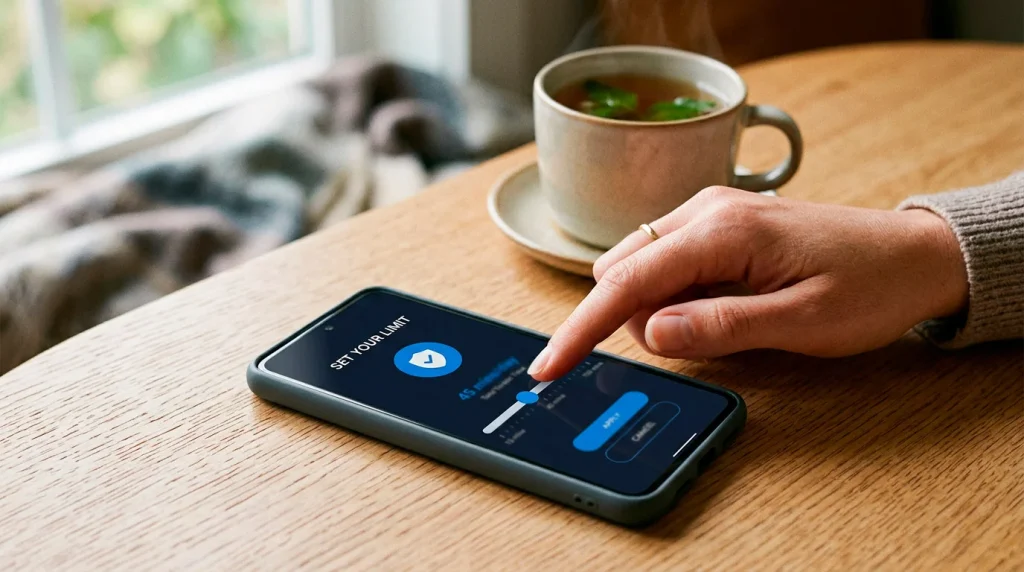
Sweepstakes platforms may not be legally classified as gambling, but the gameplay they offer triggers the same psychological responses. The spinning reels, the near-misses, the variable reward schedules—these mechanics affect players whether the platform carries a gaming license or not. The brain doesn’t distinguish between a licensed slot machine and a sweepstakes simulation of one.
Responsible gaming sweepstakes features have become increasingly common as platforms face pressure from regulators, advocacy groups, and players themselves. The tools available vary significantly between operators, and understanding what’s offered helps players protect themselves from potential harm.
This guide examines what responsible gaming features exist on major sweepstakes platforms, how to use them effectively, self-exclusion options when limits aren’t enough, and external resources for those who need additional support beyond what platforms provide.
Deposit Limits and Self-Exclusion Features
The most common responsible gaming tool is deposit or purchase limits. Players can set maximum amounts they’re willing to spend over daily, weekly, or monthly periods. Once the limit is reached, the platform blocks additional purchases until the next period begins. The limit cannot be immediately increased—most platforms require a 24 to 72 hour cooling-off period before limit increases take effect.
Session time limits track how long you’ve been playing. Platforms can display notifications after set intervals—one hour, two hours—reminding you how long you’ve been active. Some go further, allowing players to set hard session limits that log them out automatically when time expires. These tools combat the time distortion that immersive gaming can create.
Reality check pop-ups interrupt gameplay periodically with account summaries. They might show your session duration, your net balance change, or your recent purchase history. The interruption forces a moment of reflection that continuous play eliminates. Players can typically customize how frequently these reminders appear.
Loss limits represent a more aggressive intervention. Players can set maximum losses over defined periods, with the platform suspending play when thresholds are hit. The implementation requires careful tracking of player activity and can be technically complex, so not all platforms offer true loss limits as distinct from purchase limits.
According to the National Council on Problem Gambling, approximately 20 million American adults experience some level of problematic gambling behavior. Tools that help players maintain control matter because a substantial population struggles with gambling-adjacent activities even when they don’t meet clinical criteria for disorder.
The quality of implementation varies. Some platforms bury responsible gaming settings deep in account menus. Others present them prominently during registration. Some enforce limits strictly while others allow workarounds. Evaluating a platform’s responsible gaming commitment requires examining not just what tools exist but how accessible and enforceable they are.
How to Set Effective Limits
Setting limits before you need them works better than trying to impose controls after problems develop. When you first register on a platform, establish purchase limits that align with your entertainment budget. Treat sweepstakes spending like any other entertainment expense—movies, concerts, dining out—and cap it accordingly.
Time limits should reflect your actual availability for leisure. If you find yourself playing during work hours, missing sleep, or neglecting responsibilities, your gaming time has exceeded healthy boundaries. Setting session limits that match your intended leisure time creates external accountability that self-discipline alone might not provide.
Consider your emotional triggers carefully. Some players spend more when stressed, bored, or lonely. If you recognize patterns connecting emotional states to increased play, limits can provide protection during vulnerable periods. A limit set during calm moments enforces boundaries that might feel impossible to maintain during emotional dysregulation.
Limits should feel slightly restrictive to be effective. If your purchase limit matches exactly what you’d spend without any limit, it’s not providing real constraint. Set limits below your natural spending tendency. The discomfort of hitting a limit is the point—it forces decision-making that unconstrained play avoids.
Involve someone you trust in the process. Some players share their limit settings with partners, friends, or family members who can provide external accountability. This social dimension adds motivation to stay within boundaries and creates natural check-ins about gaming behavior. Transparency about limits makes them harder to rationalize violating.
Review and adjust limits periodically based on experience. If you consistently hit your limits and feel frustrated, that might indicate the limit is working exactly as intended—or it might suggest you need to examine whether your gaming expectations are realistic. If you never approach your limits, they may be set too high to provide meaningful constraint.
Self-Exclusion Options
Self-exclusion is the most drastic responsible gaming tool. It allows players to ban themselves from a platform entirely for defined periods or permanently. Once activated, self-exclusion typically cannot be reversed until the exclusion period expires, and some platforms maintain permanent exclusion lists for players who request them. The irreversibility is the point—it removes the option to change your mind during moments of weakness.
The implementation strength varies significantly. Some platforms block excluded accounts from logging in, reject new registrations from the same identity, and void any activity that circumvents exclusion. Others offer weaker versions that can be bypassed with minimal effort. Players seeking genuine protection should verify that their platform enforces exclusion meaningfully before relying on it.
Multi-platform exclusion presents challenges. Self-excluding from one sweepstakes site doesn’t affect access to others. Players who recognize they need exclusion from one platform likely need it from all similar platforms, but there’s no universal sweepstakes exclusion registry equivalent to state gambling self-exclusion programs. Each platform must be addressed individually, which creates burden during periods when motivation to seek help is fragile.
According to NCPG data, about 22% of American adults now participate in some form of online gambling, up from 15% in 2018. This growth coincides with the expansion of sweepstakes platforms and suggests increasing need for accessible self-exclusion options across the sector.
Consider self-exclusion a serious step rather than a casual setting change. If you’re at the point of considering exclusion, you may benefit from speaking with a counselor or support resource before making the decision. Self-exclusion works best as part of a broader commitment to addressing problematic patterns, not as a standalone solution that resolves underlying issues.
Resources for Problem Gambling
If responsible gaming tools feel insufficient, professional resources exist. The National Problem Gambling Helpline operates 24/7 at 1-800-522-4700. Calls are confidential, free, and connect callers with trained specialists who understand gambling-related issues. Text and chat options are also available for those who prefer non-voice communication. The helpline serves anyone affected by gambling problems, including family members.
Gamblers Anonymous provides peer support through a 12-step model adapted from addiction recovery programs. Meetings happen both in-person and online, offering community connection for people working through gambling-related challenges. The organization’s website lists meetings by location and format. Many people find that peer support complements professional treatment.
State-level resources vary in availability and scope. Many states with legal gambling maintain dedicated problem gambling programs with counseling referrals, treatment funding, and educational resources. Even states without legal gambling often have mental health services that address behavioral addictions including gambling disorders. Check your state’s health department website for local options.
Financial counseling matters if gambling has affected your finances. Non-profit credit counseling organizations can help address debt, create repayment plans, and establish budgets that prevent future problems. Addressing the financial consequences of gambling problems is part of comprehensive recovery. Many people find financial stress triggers continued gambling behavior, making financial stabilization an important component of change.
The responsible gaming sweepstakes framework remains less developed than what licensed gambling operations provide. But the tools that exist can help players who use them proactively. Waiting until problems become severe makes intervention harder. Acting early, setting limits, and knowing where to find help if needed creates a foundation for sustainable, enjoyable play.
Protection Without Regulation
Sweepstakes platforms operate outside the regulatory frameworks that mandate responsible gaming standards for licensed casinos. What protections exist come from operator choice rather than legal requirement. Some platforms invest heavily in player safety tools; others offer minimal safeguards. The variation means players must evaluate each platform’s responsible gaming commitment individually and supplement platform tools with their own protective strategies.
The most effective protection remains personal awareness. No deposit limit or session timer substitutes for honest self-assessment about whether your play patterns serve you well. If sweepstakes gaming enhances your entertainment without causing financial or emotional harm, the tools described here help maintain that balance. If gaming has become a source of stress rather than enjoyment, the resources for help exist—using them is a sign of strength, not weakness.